What IFT FIRST 2026 Revealed About the Future of Food Innovation
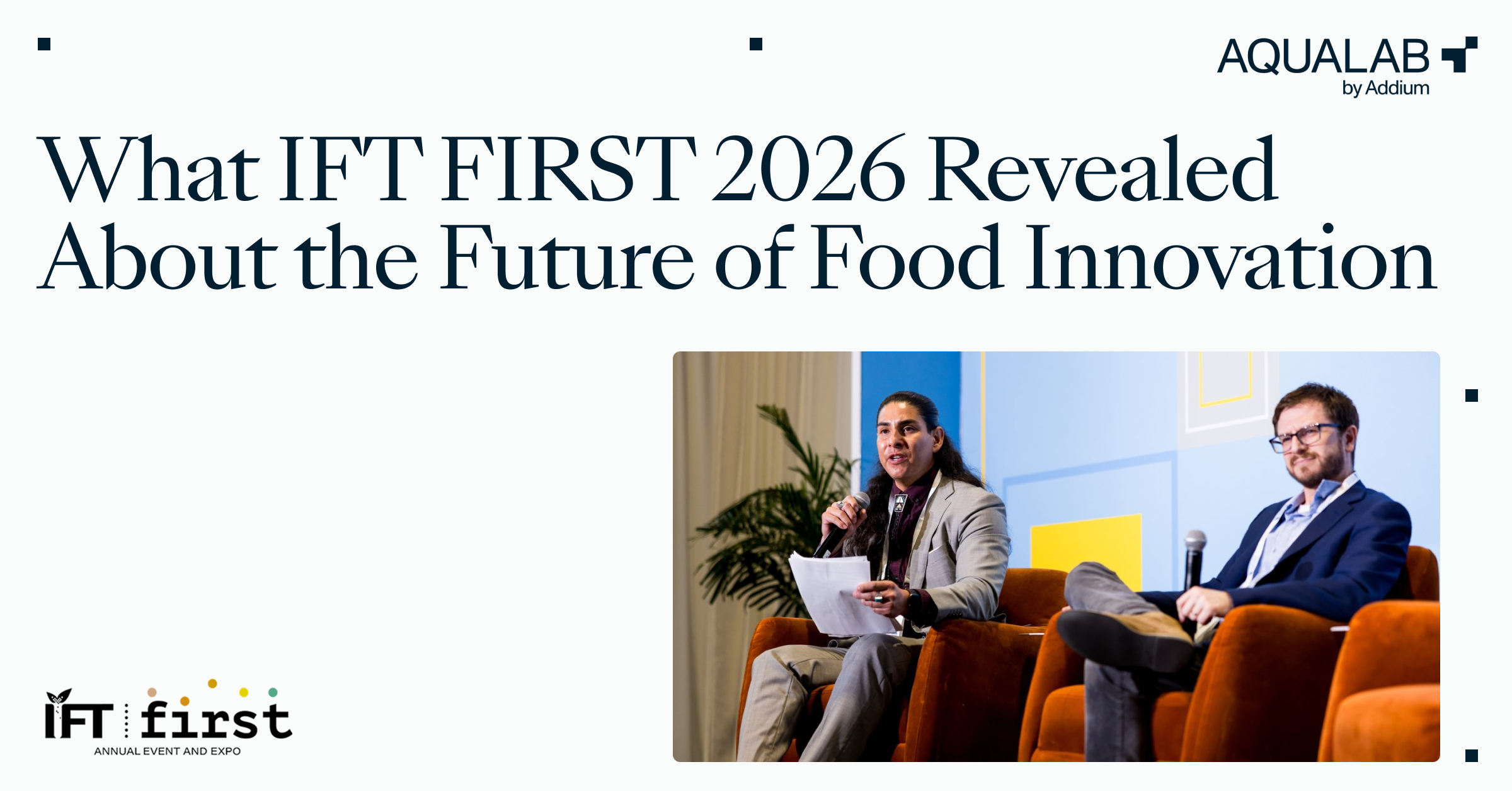
Last week, over 15,500 food professionals from more than 80 countries gathered at McCormick Place in Chicago for IFT FIRST 2026. The event, the largest gathering of food scientists, product developers, and industry leaders in the world, painted a clear picture of where the food industry is headed. Here's what dominated the conversations and what it means for product development teams.
The Four Trends That Shaped the Conversation
Clean Label Reformulation continues to reshape ingredient strategies. Brands are removing artificial preservatives, colors, and additives across their portfolios. The shift is significant enough that it's fundamentally changing how product developers approach shelf stability and ingredient sourcing. Beyond ingredients themselves, clean label initiatives are extending to packaging. Brands are increasingly evaluating whether their packaging materials align with clean label positioning, including reducing plastic use and selecting materials that support the product's clean label narrative.
GLP-1 Product Development emerged as a defining trend of 2026. With GLP-1 medications becoming increasingly prescribed, food companies are racing to create products optimized for this demographic: smaller portion sizes, higher nutrient density (especially protein and fiber), and textures designed for reduced appetite. Companies across the expo floor were showcasing prototypes in this category, from protein pockets to fortified beverages to nutrient-dense snacks.
Sustainability and Shelf-Life Optimization is becoming a data-driven discipline. Rather than relying on added preservatives, brands are using rigorous testing and scientific optimization to extend shelf life responsibly and reduce waste. The pressure is coming from both consumer expectations and corporate sustainability commitments.
AI-Driven R&D Acceleration is changing the pace of product development. Platforms like IFT's CoDeveloper, which was unveiled last year and showcased again this year, enable formulation teams to generate multiple recipe concepts in days instead of weeks. However, a consistent message from food scientists at the event was clear: AI accelerates ideation, but human expertise remains essential. The role of the food scientist is evolving, not disappearing. They're now focused on evaluating, refining, and validating AI-generated concepts rather than starting from scratch. This shift actually increases the value of experienced product developers and scientists who can make informed decisions about which directions to pursue.
What the Data and Event Atmosphere Revealed
IFT released a new Compensation and Career Path Report showing rising compensation demands and growing workplace challenges in food science. The report signals that companies are competing hard to retain R&D talent while managing increasingly complex product development work.
The event's format change, integrating all scientific sessions directly into the expo hall for the first time, resonated strongly with attendees. Rather than separating research from commercial solutions, the new layout kept them side-by-side, and feedback indicated this encouraged better connections between scientists, suppliers, and product developers.
Innovation briefs have become visibly interconnected. Product teams are no longer solving single problems. They're balancing clean label and nutrition optimization and sustainability and speed simultaneously. This complexity was evident in the types of conversations happening across supplier booths and in technical sessions.
Supply chain consistency emerged as a repeated concern. With multiple ingredient suppliers, co-packers, and production locations involved in bringing products to market, companies are paying close attention to how variations at different points in the chain affect final product quality and consistency.
The Testing Challenge Beneath These Trends
One theme connected all four trends: as product development becomes more complex, the speed and reliability of testing and validation becomes more critical. Teams managing multiple competing constraints (clean label ingredients, nutritional optimization, sustainability goals, and accelerated timelines) need to understand their products' behavior in precise, measurable ways.
For many of these innovations, moisture and water activity measurement is foundational. Whether validating that a clean-label reformulation maintains shelf stability, confirming that a GLP-1 product stays consistent across production batches, optimizing expiration dates for sustainability, or rapidly iterating on formulations in an AI-accelerated workflow, the quality of your testing data directly impacts your ability to innovate and scale.
Bottom Line
If you attended IFT FIRST, you likely left with a clearer sense of where your industry is headed. If you didn't, this snapshot captures the central themes that will shape product development priorities in the coming months.
For teams navigating any of these four trends, the underlying question is the same: How do you get reliable data fast enough to keep pace with innovation demands? That's where water activity measurement capabilities become part of your competitive toolkit.
Want to explore how AQUALAB instruments and services support these types of testing workflows? Connect with our team.
Newsletter signup
Case studies, webinars, and articles you'll love.
Receive the latest content on a regular basis!