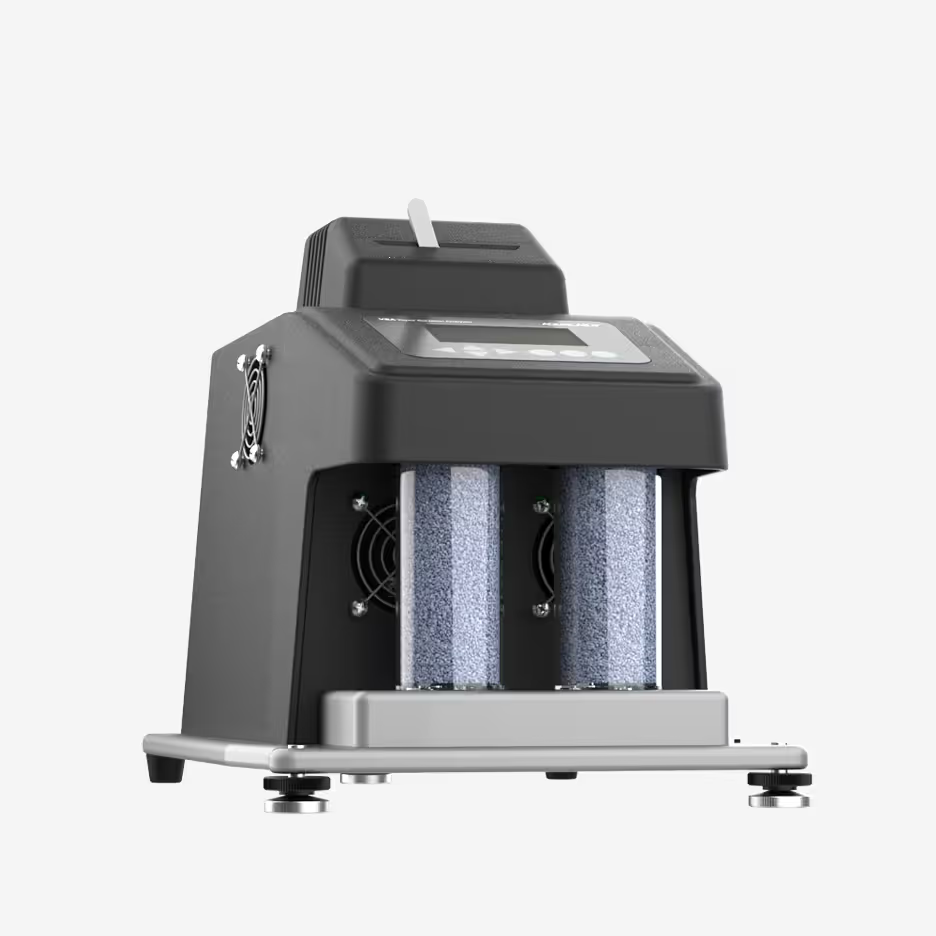
Moisture sorption isotherms
AQUALAB VSA
High-resolution moisture sorption, water activity, and WVTR analysis for deeper insight into product stability and packaging performance.

Built for R&D, packaging, and formulation teams
AQUALAB VSA combines fast water activity sensing with precision weighing to generate detailed sorption, desorption, and permeability data, helping R&D, packaging, and QA teams predict shelf life, stability, and moisture-driven failures.
100s
points per isotherm curve
≤48hrs
Typical isotherm creation time
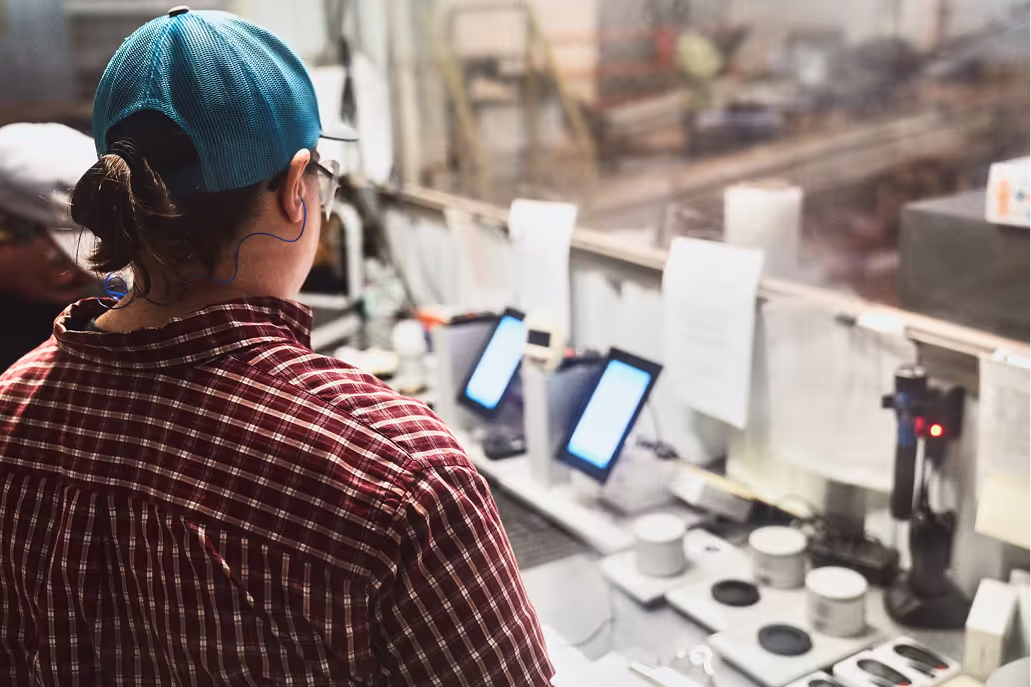




Moisture behavior
in full detail
AQUALAB VSA dynamically measures water activity and weight change to generate high-resolution sorption and desorption isotherms, revealing moisture-driven behavior that traditional DVS methods and static testing cannot capture.
High-resolution isotherms
Create sorption and desorption curves with hundreds of data points instead of five or six, delivering clearer insight into hygroscopicity, caking, clumping, and critical moisture ranges.
Dual testing modes
Generate standard DVS isotherms alongside patented DDI isotherm curves, providing deeper visibility into moisture behavior and enabling more accurate formulation, stability prediction, and material selection.
Faster moisture insight
Dynamic measurement replaces months of manual desiccator testing, producing complete isotherm data in days while maintaining exceptional resolution and repeatability.
Integrated WVTR testing
The optional WVTR testing cell enables accurate water vapor transmission rate analysis without a standalone instrument, supporting packaging evaluation and compatibility with modern sustainable materials.
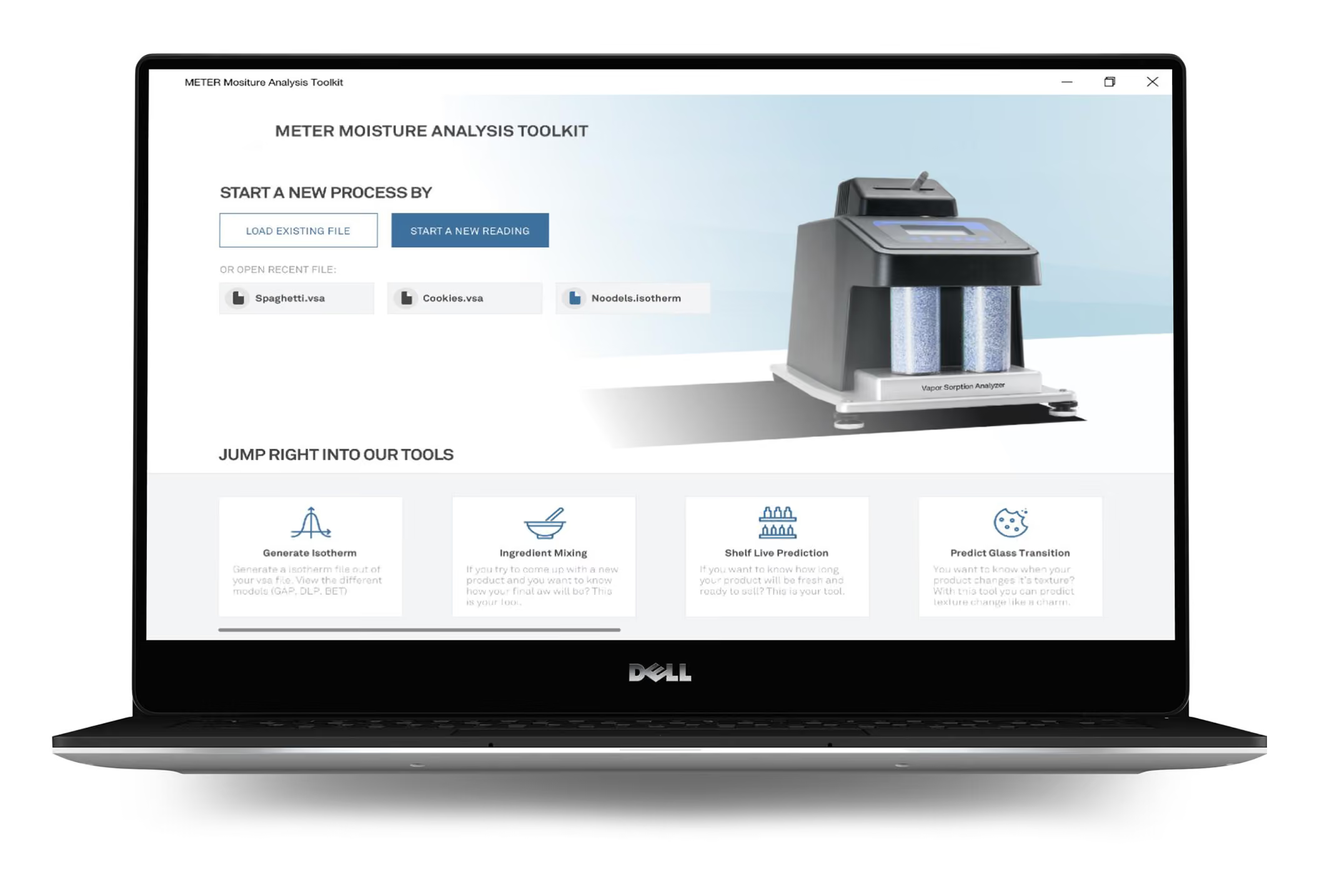
Predictive moisture modeling
Included Moisture Analysis Toolkit software applies research-tested models to turn raw data into actionable predictions for shelf life, glass transition, and packaging performance.
.avif)
Easy to operate
Tactile, glove-friendly buttons and intuitive software simplify test setup and operation, even in lab environments requiring PPE or frequent method changes.
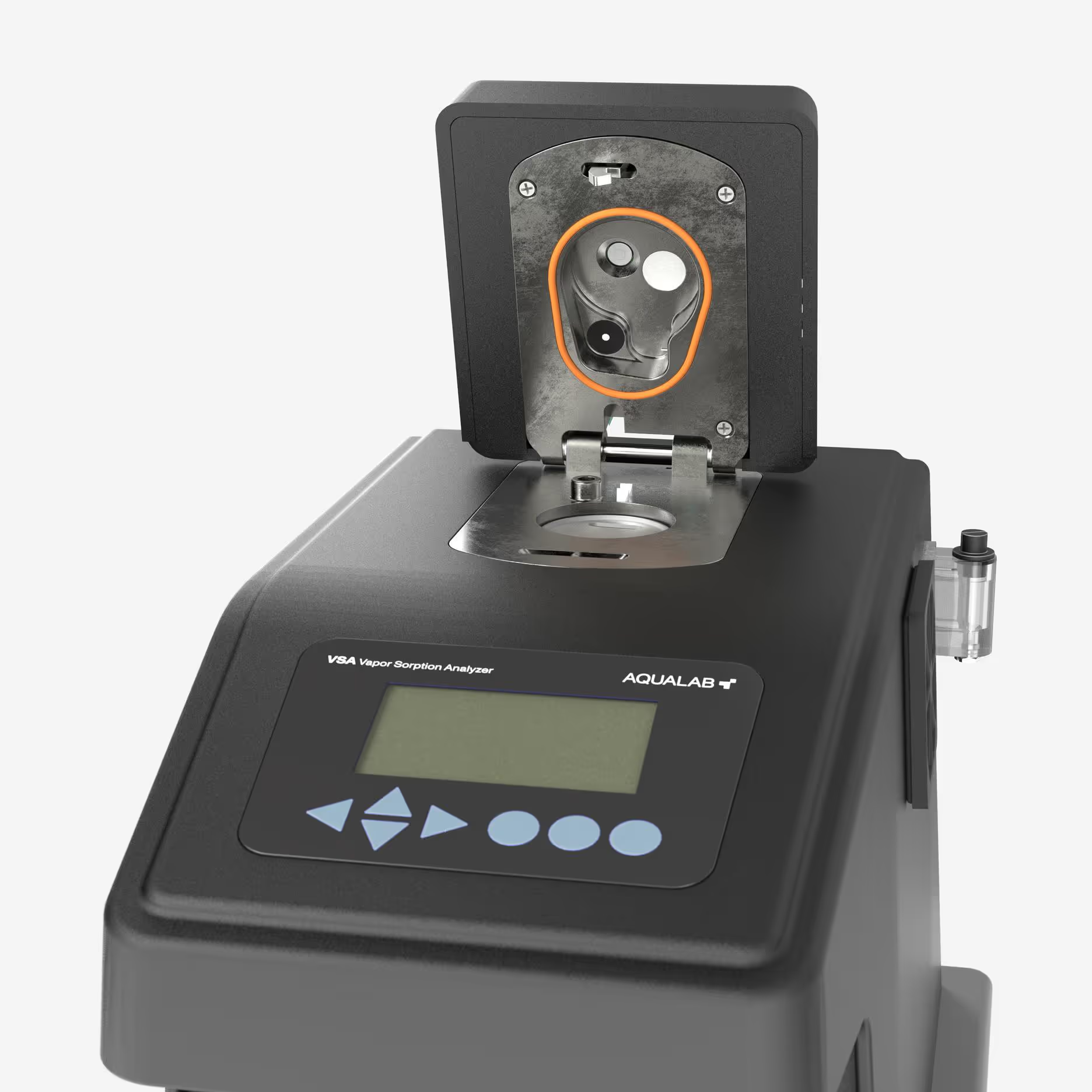
Simple setup and maintenance
Fast test setup, automated data collection, and minimal manual handling reduce training requirements and ongoing maintenance while keeping advanced moisture analysis accessible in-house.
Shop accessories
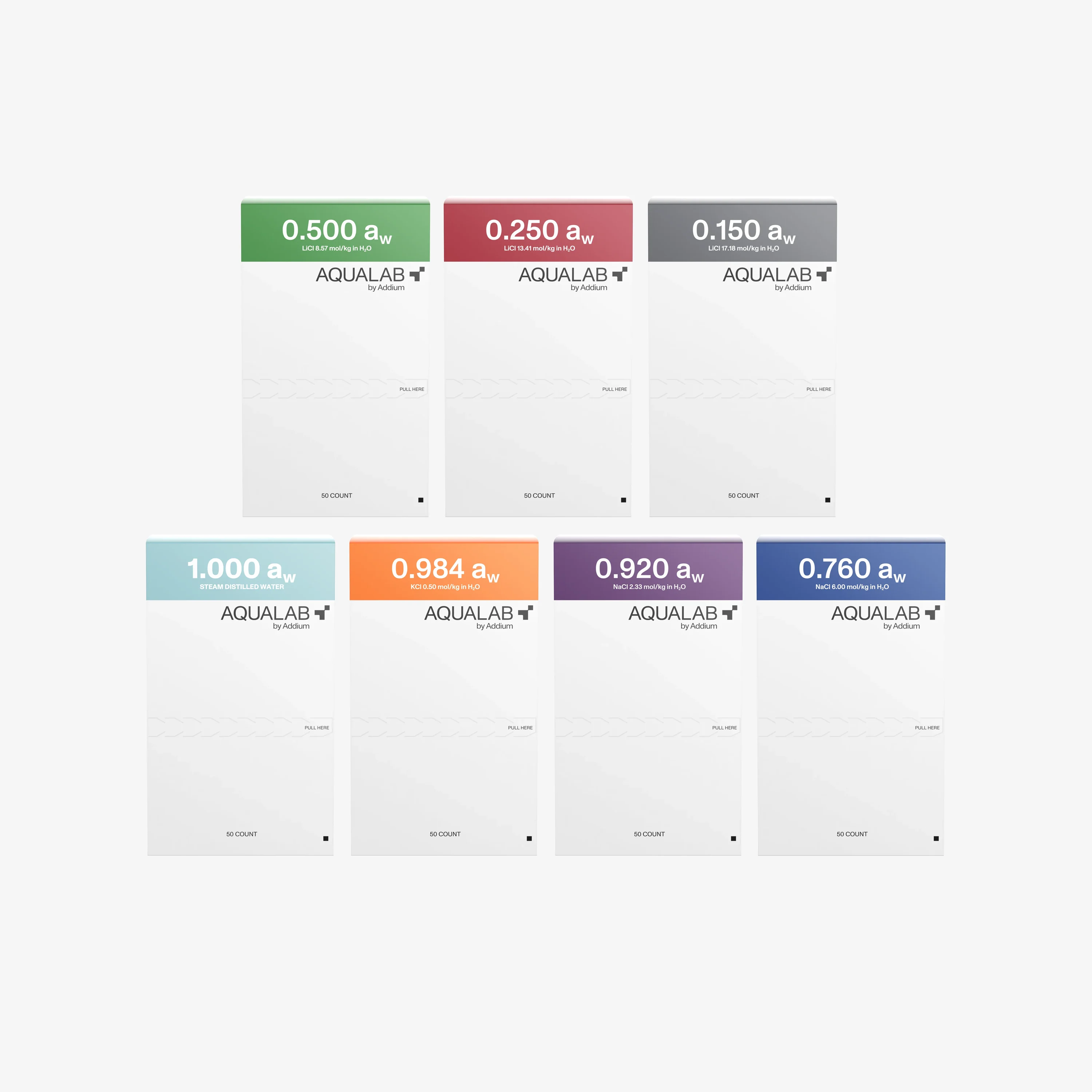
Water activity standards
Certified salt standards for verifying water activity accuracy and repeatability across instruments, users, and locations. Each box contains 50 tubes.
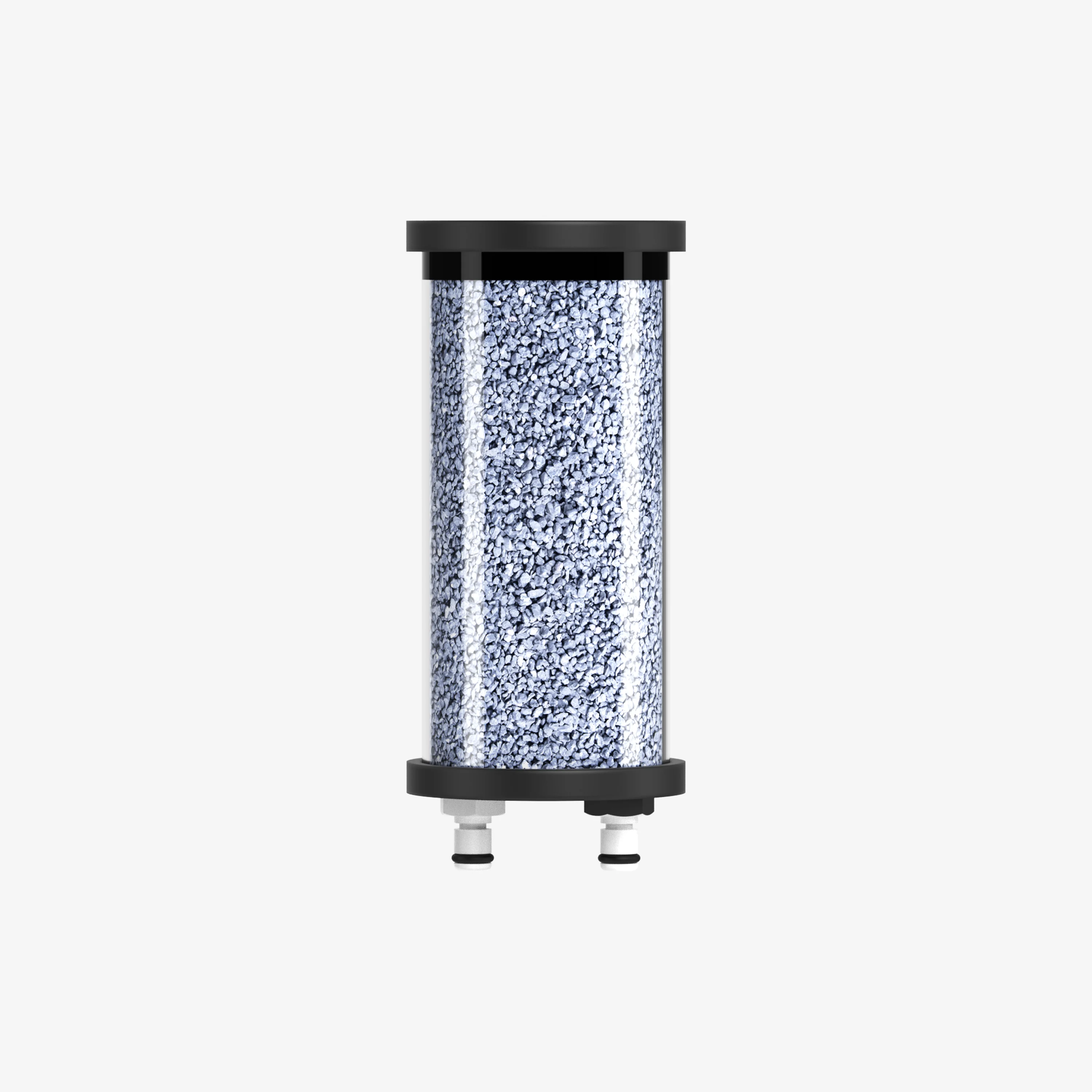
Desiccant tube assembly
Replacement desiccant tube assembly that maintains stable humidity control and reliable moisture sorption measurements in AQUALAB VSA testing.
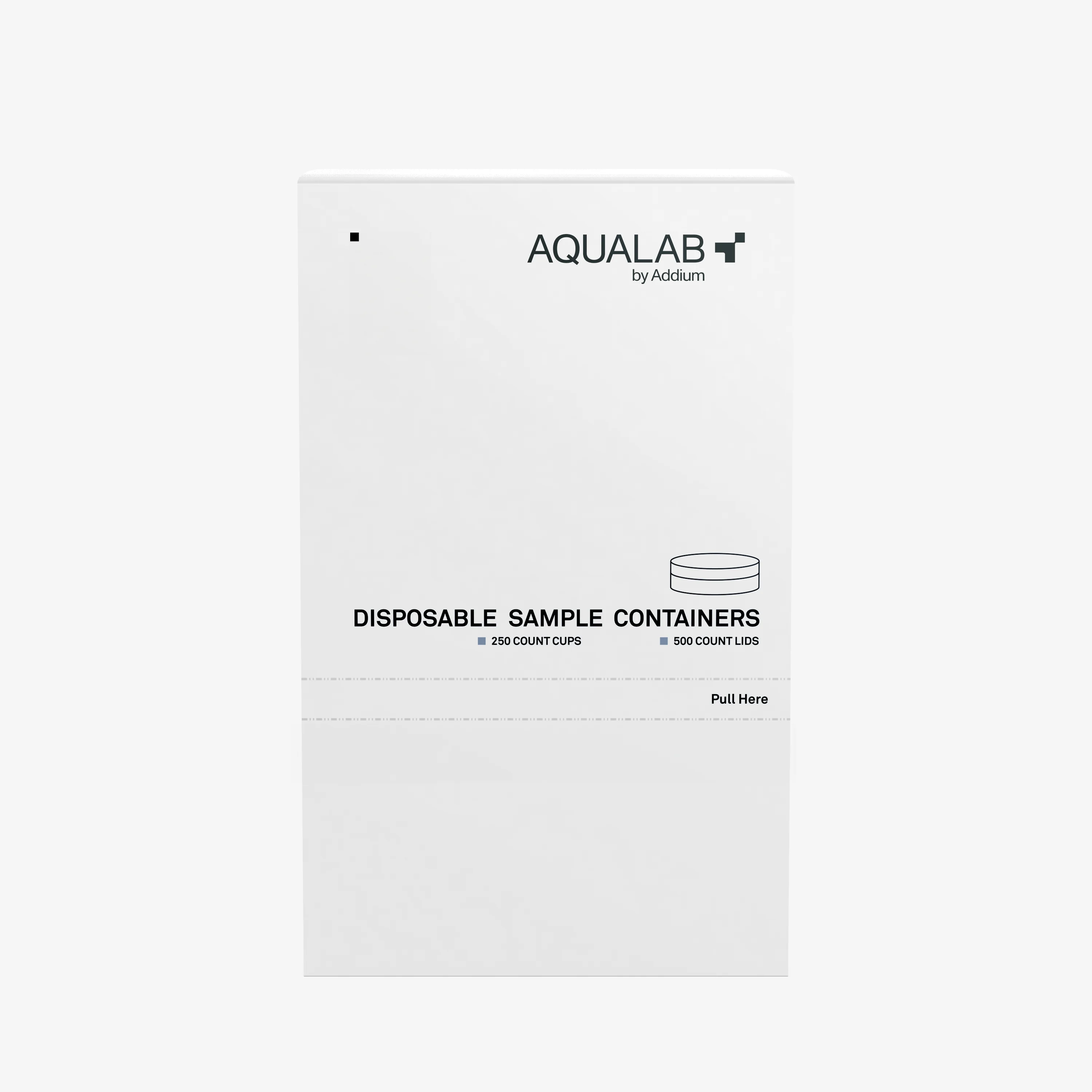
Disposable sample cups
Single-use sample cups designed to prevent cross-contamination and ensure consistent, accurate water activity and moisture measurements.
FAQs
Are AQUALAB products safe?
What is Prop 65?
Proposition 65, approved by California voters in 1986, requires the state to publish a list of chemicals known to cause cancer or reproductive harm. You can learn more about Prop 65 on California’s official resources.
Why do AQUALAB products have a Prop 65 warning?
California law requires a warning on any product sold in the state that contains—or might contain—any of over 900 listed chemicals. These warnings are required even if the chemicals are only present in extremely small quantities. Electronic products commonly carry Prop 65 warnings for this reason.
Are AQUALAB products safe?
A Prop 65 warning does not mean a product violates any safety standards. Because AQUALAB sources materials from various suppliers, we label all products to ensure compliance. In most cases, any listed chemicals are present in amounts that fall within the “no significant risk” category.
What types of chemicals are on the list?
You can find the Prop 65 chemical list on California’s official website.
Are tunable diode laser (TDL) sensors affected by pressure fluctuations?
TDL sensors measure water vapor concentration by scanning a spectral absorption line at 1854 nm. Pressure affects peak height and width—a phenomenon called pressure broadening—but the peak area remains stable.
AQUALAB TDL instruments measure peak area, making them largely insensitive to pressure variation. A built-in barometer compensates for atmospheric changes. Large elevation changes may require recalibration using AQUALAB standards.
How can I minimize moisture migration in hygroscopic products during sampling?
Place both the instrument and the sample in controlled humidity conditions. Use a glove box or load the sample into the chamber quickly. If your instrument allows readings without breaking the chamber seal, you can run consecutive tests. If not, repeated exposure will change the water activity as the sample absorbs moisture.
Is the whole tablet measurement of value?
It depends on whether the tablet is coated.
If the coating absorbs water, measuring the whole tablet can reveal the point at which the coating breaks down. For uncoated tablets, whole-tablet and crushed readings are similar.
Would you recommend breaking up a tablet with a mortar and pestle?
Yes. A mortar and pestle breaks the sample without excessive grinding. A coffee grinder or food processor can work with very quick pulses. Avoid over-processing.
Should finished pharmaceutical tablets be tested whole or crushed?
For uncoated tablets, it makes little difference.
For coated tablets, crush (do not grind) the tablet to expose the interior. Grinding damages the structure and can alter the water activity reading.
How do you read water activity in large, dense products such as Brazil nuts?
Break the product into pieces. This shortens read times and ensures you measure internal water activity—not just surface moisture.
Does freezing a product increase its water activity?
It depends on whether freezing causes cell damage. Improper freezing can change water activity. Always thaw fully before testing, since frozen samples cannot be read accurately.
Does temperature change the water activity of a material?
There is no universal rule. Testing at multiple temperatures is the best way to identify sensitivity. Meats tend to be stable, while powdered ingredients and sugars may vary more with temperature.
What is the best way to prepare an oily meat product for testing?
Oily products require longer read times. Break into smaller pieces but do not grind—grinding destroys tissue structure and changes the reading. Slice or tear pieces into the sample cup.
How long can samples be stored in Whirl-Pak bags before water activity changes?
Whole samples can usually be stored for half a day without major impact. Ground samples change within 5–10 minutes.
For longer storage or shipping, use a parafilmed sample cup with a screw cap or a foil pouch.
My product is coated with fat. Will that affect the water activity reading?
Yes. Any coating acts as a barrier to moisture movement. Break apart coated samples before measurement.
Are there any sample limitations for the TDL?
The TDL is designed for volatile materials and works with alcohol, propylene glycol, acetone, gasoline, and many organic solvents.
Avoid highly corrosive samples—they may damage the block or laser housing. Clean immediately after running corrosive materials. Both liquids and solids can be measured if they fit in the sample cup.
Do I need a new multipoint calibration for each temperature?
Yes. Calibration using the laser is temperature dependent. Instruments ship calibrated at 25°C. To run at another temperature, perform a multipoint calibration at that temperature.
Why won’t my instrument verify within specifications?
If the TDL won’t verify:
- Clean the chamber.
- If that fails, try a multipoint calibration.
- If calibration doesn’t hold from day to day, contact AQUALAB Food Support.
Do I need to clean the white filter in my TEV instrument?
No. The white Teflon filter should never be cleaned with solution, IPA, or water. Work around it during cleaning. Replace it if it gets wet or as part of routine maintenance—monthly or quarterly depending on sample volume and volatiles.
How often should I run the verification standards?
Daily, if the instrument is used daily.
For sporadic use, verify on the day of use.
In demanding environments (dust, grease, multiple shifts), verify each shift—especially if water activity determines product release.
What standards should I use to verify?
Use two standards that bracket your product range. This ensures correct slope and satisfies audit requirements. AQUALAB offers seven standards covering a broad range.
Why do I get long read times?
Common causes include:
- Dirty or improperly cleaned instrument
- Sample type (fatty, viscous, low-emitting samples read more slowly)
- Volatile ingredients interfering with chilled mirror sensors
- Damaged or bent chamber fan blades
What is the accuracy of readings in the low-emitter sensor setting?
Accuracy depends on your chosen speed/accuracy trade-off.
Test your product in standard mode, then compare readings at various low-emitter accuracy settings. Choose a setting that stays close to the standard reading while reducing time.
What percent propylene glycol or ethanol is allowable before causing issues in chilled mirror instruments?
It varies by sample matrix. Some products show interference at 0.5%, others not until 2–3%.
If volatiles cause unstable chilled-mirror readings, the TDL sensor—which is unaffected by volatiles—can solve the issue. Support can test your product if needed.
Downloads and documents
Cited publications
Akev, Koray, Mehmet Ali Koyuncu, and Derya Erbaş. “Quality of raisins under different packaging and storage conditions.” The Journal of Horticultural Science and Biotechnology (2017): 1-6. (Article link)
Allen, K., D. Cornforth, D. Whittier, M. Vasavada, and B. Nummer. “Evaluation of high humidity and wet marinade methods for pasteurization of jerky.” Journal of food science 72, no. 7 (2007). (Article link)
Aramouni, Fadi M., Karim K. Kone, Jean A. Craig, and Daniel YC Fung. “Growth of Clostridium sporogenes PA 3679 in home-style canned quick breads.” Journal of food protection 57, no. 10 (1994): 882-886. (Article link)
Barrett, A. H., A. V. Cardello, L. Mair, P. Maguire, L. L. Lesher, M. Richardson, J. Briggs, and I. A. Taub. “Textural optimization of shelf-stable bread: Effects of glycerol content and dough-forming technique.” Cereal chemistry 77, no. 2 (2000): 169-176. (Article link)
Bell, Leonard N., and Theodore P. Labuza. “Compositional Influence on the pH of Reduced‐Moisture Solutions.” Journal of Food Science 57, no. 3 (1992): 732-734. (Article link)
Calicioglu, Mehmet, Nancy G. Faith, Dennis R. Buege, and John B. Luchansky. “Validation of a manufacturing process for fermented, semidry Turkish soudjouk to control Escherichia coli O157: H7.” Journal of food protection 64, no. 8 (2001): 1156-1161. (Article link)
Cerrutti, Patricia, Mauricio R. Terebiznik, MARTA SEGOVIA de HUERGO, Rosa Jagus, and Ana MR Pilosof. “Combined effect of water activity and pH on the inhibition of Escherichia coli by nisin.” Journal of food protection 64, no. 10 (2001): 1510-1514. (Article link)
Ceylan, E., and D. Y. C. Fung. “Destruction of Yersinia enterocolitica by Lactobacillus sake and Pediococcus acidilactici During Low‐temperature Fermentation of Turkish Dry Sausage (sucuk).” Journal of food science 65, no. 5 (2000): 876-879. (Article link)
Correia, Roberta TarginoPinto, Margarida Maria dos Anjos Magalhães, Márcia Reginada Silva Pedrini, Amanda Valéria Ferreira da Cruz, and Igor Clementino. “Ice cream made from cow and goat milk: chemical composition and melting characteristics.” Revista Ciencia Agronomica 39, no. 2 (2008): 251. (Article link)
Delhom, Christopher, and James Rodgers. “Cotton moisture–its importance, measurements and impacts.” In 33rd International Cotton Conference Breman. 2016. (Article link)
Deng, Kai, Prabhat K. Talukdar, Mahfuzur R. Sarker, Daniel Paredes-Sabja, and J. Antonio Torres. “Survival of Clostridium difficile spores at low water activity.” Food Microbiology 65 (2017): 274-278. (Article link)
Gliemmo, M. F., C. A. Campos, and L. N. Gerschenson. “Interaction between potassium sorbate and aspartame in aqueous model sugar systems.” Journal of food science 66, no. 3 (2001): 428-431. (Article link)
Fontana Jr, Anthony J. Measurement of water activity, moisture sorption isotherms, and moisture content of foods. Blackwell Publishing Professional: Ames, IA, USA, 2008. (Article link)
Technical specifications
Measurement specifications
Mass Resolution
0.5 mg
Water Activity
Range:
0.0300 to 0.9500 aw @ 25 ◦C
Resolution:
0.0001 aw
Accuracy:
±0.0050 aw
External Gas
7.0000 psi max
Isotherm Methods
Dynamic Dew Point Isotherm (DDI) & Static (DVS)
Temperature
Range:
15.00 – 60.00 °C
Resolution:
0.01 °C
Accuracy:
±0.10 °C
Read Time
~5 min (~48 hours for a DDI test)
Communication specifications
Data Communications
USB
Physical specifications
Case Dimensions
Length:
38.1 cm (15.0 in)
Width:
26.7 cm (10.5 in)
Height:
30.5 cm (12.0 in)
Program Identification
Alphanumeric, programmable to display product name, lot, or product ID number.
Sample Cup Volume
10.0000 cc
Sample Weight Range
500.0000 – 5000.0000 mg
Universal Power
110 - 240 VAC50/60 Hz
Water Reservoir
20 mL
Display
64 × 128 graphical
Sample Cup Capacity
14 mL (0.47 fl oz)
Operating Environment
4 to 50 °C; 0 to 90% relative humidity (noncondensing)
Case Material
ABS with Fire Retardant:
POLYLAC PA-765
Weight
14.9 kg (33 lb)